

Aula 03: Atuação na pandemia mundial e orientações do MDS
Olá estudante!
Neste modulo iremos informar sobre as normativas e orientações recebidas para o desenvolvimento do SCFV na pandemia do COVID19, o vídeo sobe a vivência está nas próximas aulas aqui iremos discorrer algumas dicas de como executar o SCFV de modo remoto.
O cenário emergencial que gerou a Pandemia do COVID19 promoveu ações e medidas de prevenção, cautela e redução de riscos de transmissão da doença, limitando algumas ações. Para isso, realizou-se orientações e uma nova estrutura para preservar a oferta regular e essencial dos serviços, programas, projetos e benefícios socioassistenciais.
Medidas imediatas de suspensão temporária de eventos, encontros, cursos de formação, oficinas, dentre outras atividades coletivas de forma presencial, aplicando-se a referida suspensão às atividades de grupos presenciais do Serviço de Convivência e Fortalecimento de Vínculos (SCFV). Assim, a orientação foi dar continuidade ao Serviço por meio remoto, permitindo apoiar famílias e usuários/as em situação de isolamento, levando-se em conta os diferentes
ciclos de vida, os impactos do isolamento e a necessidade de reorganização de uma nova rotina de vida. Segue algumas medidas a serem adotadas:
1. Diretrizes Sanitárias
- Assegurar o distanciamento social entre usuários/as e trabalhadores/as;
- Disponibilizar e garantir Equipamentos de Proteção Individual (EPI’s);
- Rastreamento diário e registro de entrada de qualquer pessoa;
- Troca da máscara a cada 02 horas ou quando a mesma tornar-se úmida (se antes deste tempo);
- Aferir a temperatura de todas as pessoas, vedando a entrada de pessoas cuja temperatura seja igual ou superior a 37,8 (trinta e sete vírgula oito) graus Celsius; e vedada a entrada de pessoas com sintomas, como tosse seca ou produtiva, dor no corpo, dor de garganta, congestão nasal, dor de cabeça, falta de ar, lesões na pele, diarreia e vômito;
- Higienização de todas as áreas das unidades ofertantes do SCFV, antes da retomada das atividades com os grupos presenciais; assim como, ampliar a frequência da higienização. Ter disponível nos banheiros sabonete líquido, toalhas de papel e preparações alcoólicas antissépticas 70% (setenta por cento) em formato de gel, espuma ou spray;
- Intensificar, quando possível, a utilização de iluminação natural (entrada de sol) e a manutenção de portas e janelas abertas para a ventilação natural do ambiente, para salas de grupos, ambientes comuns e de deslocamento.
- Selecionar e treinar trabalhadores/as para conduzirem as ações ao se depararem com indivíduo com síndrome gripal, de forma a se protegerem e protegerem as pessoas envolvidas na oferta dos SCFV;
2. Diretrizes Socioeducativas Durante a Pandemia – Remoto
- Estimular a criação de redes de contatos entre os usuários do SCFV, para que possam exercer de forma responsável a atenção e o cuidado mútuo. Este contato deve ser realizado de modo remoto. A partir daí, pode-se combinar a frequência dos contatos semanalmente, de modo que os usuários participem ativamente das atividades propostas.
- Os educadores sociais devem disponibilizar kits de atividades impressas com materiais pedagógicos para a confecção de atividades manuais ou artesanais dentre outros. Para maior segurança dos usuários, os kits deverão ser preparados conforme a identificação dos interesse dos usuários.
- Ao manter as atividades do SCFV de forma remota, é importante que sejam mantidas as mesmas estratégias do modo presencial: incentivar a participação do público-alvo e promover a reflexão sobre temas, de forma lúdica e descontraída.
- Em relação ao atendimento e acompanhamento dos usuários do SCFV, recomenda-se a continuidade de forma remota, dos indivíduos e famílias em situação de maior vulnerabilidade e risco social, assim como a identificação precoce das demandas que necessitam de um maior suporte e proteção de modo a prevenir agravamentos.
- Para as atividades suspensas, como por exemplo, a de idosos que participam de atividades coletivas em grupos do SCFV, os educadores sociais poderão acompanhar de forma remota os idosos que moram sozinhos, organizando atividades que possam minimizar os impactos emocionais ocasionados pelo isolamento social.
- Em situações nas quais torna-se inviável o atendimento remoto via internet, é recomendada a utilização de outras alternativas, como a de telefones, videochamadas (WhatsApp, Skype ou Zoom), e-mails, mensagens de SMS, redes sociais, dentre outros.
- Conforme a realidade de cada caso, os atendimentos e acompanhamentos remotos deverão ser definidos da melhor forma possível pelas equipes técnicas, e sua organização deve:
- Informar às famílias sobre importância de manter seus contatos atualizados e os meios de contatar os Serviços, em caso de necessidade;
- Prever e combinar com usuários e/ou familiares dias e horários para o contato, mantendo a periodicidade e a regularidade da comunicação;
- Registrar informações sobre o atendimento, demandas, encaminhamentos e observações do profissional, dentre outros aspectos, para posterior registro em prontuário da unidade.
- Reorganizar as equipes considerando, o conjunto de profissionais do SUAS na localidade (rede governamental e não governamental), remanejar profissionais para dar suporte e cobertura aos serviços e às atividades essenciais;
- Considerar como alternativas, o trabalho remoto, as escalas de trabalho e o revezamento dos profissionais, para atendimento em horários específicos (manhã, tarde e noite) e/ou durante os finais de semana, seja para os atendimentos presenciais ou remotos, conforme necessidades;
- Planejar medidas ágeis para a recomposição da força de trabalho, em casos de afastamentos, para assegurar a continuidade da oferta dos serviços.
3. Diretrizes Socioeducativas para volta ao grupo presencial
- Avaliar a possibilidade de retomada gradativa das atividades presenciais dos grupos de SCFV, com intervalo mínimo de 7 dias para cada grupo;
- Diminuir a frequência dos encontros;
- Elaborar atividades para o desenvolvimento do percurso que propiciem medidas preventivas de infecção pelo novo Coronavírus, descartando práticas de atividades de contato direto como dança e esportes, ou aquelas que sugiram aglomeração, comemoração, festa, reunião;
- Priorizar atividades que propiciem o afastamento físico e que possam ser desenvolvidas ao ar livre;
- Readequação dos Espaços Físicos, externos e internos, e rotas de circulação nas unidades ofertantes do SCFV
- Demarcar o piso dos espaços físicos de forma a facilitar o cumprimento das medidas de distanciamento social, especialmente nos ambientes coletivos;
- Respeitar o limite definido para capacidade máxima de pessoas em cada ambiente, afixando cartazes informativos nos locais;
- Desativar ou lacrar as torneiras a jato dos bebedouros que permitam a ingestão de água diretamente, de forma que se evite o contato da boca do usuário/a com o equipamento.
- Estabelecer fluxos de informações e encaminhamentos com a Secretaria de Saúde;
- Realizar avaliação com “Formulário para Retomada das Atividades Coletivas Presenciais do SCFV” para volta a atividade presencial e assinar o “Termo de Compromisso do COVID19”;
- O escalonamento dos usuários é uma medida para evitar a aglomeração.
Portaria nº 134, de 28 de novembro de 2013 (texto disponível aqui):
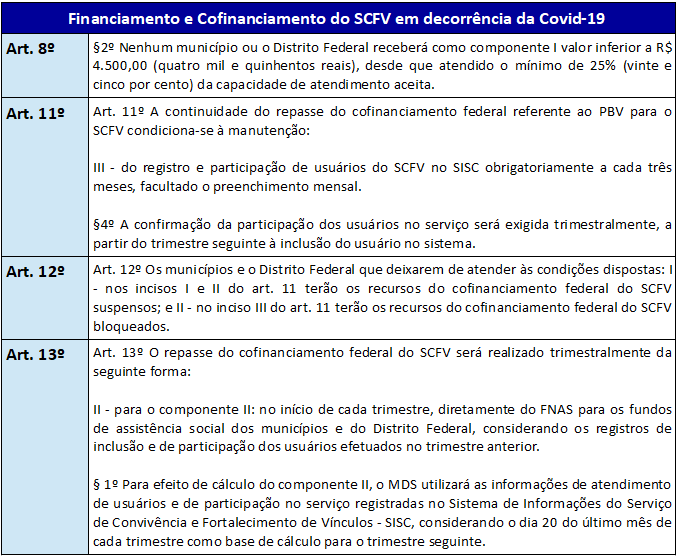
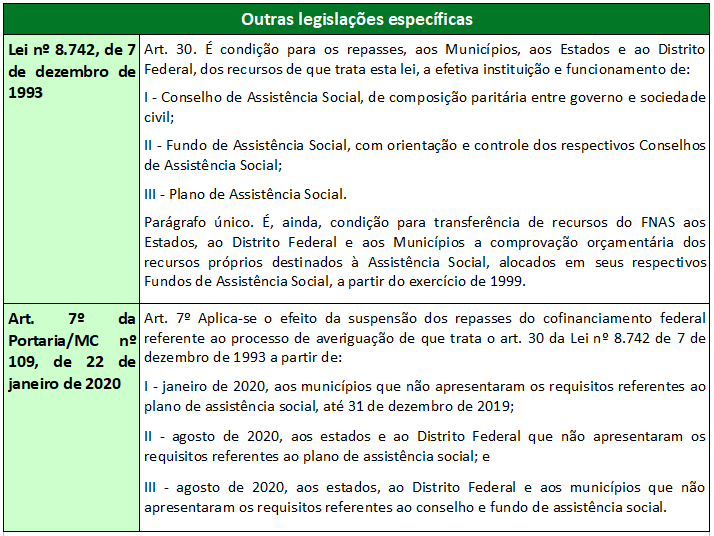
Texto em:
DIRETRIZES PARA O RETORNO DAS ATIVIDADES PRESENCIAIS DO SERVIÇO DE CONVIVÊNCIA E FORTALECIMENTO DE VÍNCULOS. Santa Catarina. Novembro de 2020
Portaria MS nº 1.565, de 18 de junho de 2020, estabelece as “orientações gerais visando à prevenção, ao controle e à mitigação da transmissão da COVID-19, e à promoção da saúde física e mental da população brasileira, de forma a contribuir com as ações para a retomada segura das atividades e o convívio social seguro.”
| Telefone: (27) 9 9272 4701
E-mail: contato@quallitypsi.com.br |